Reimagining Impact: Reflections from the Richard Rockefeller Fellowship
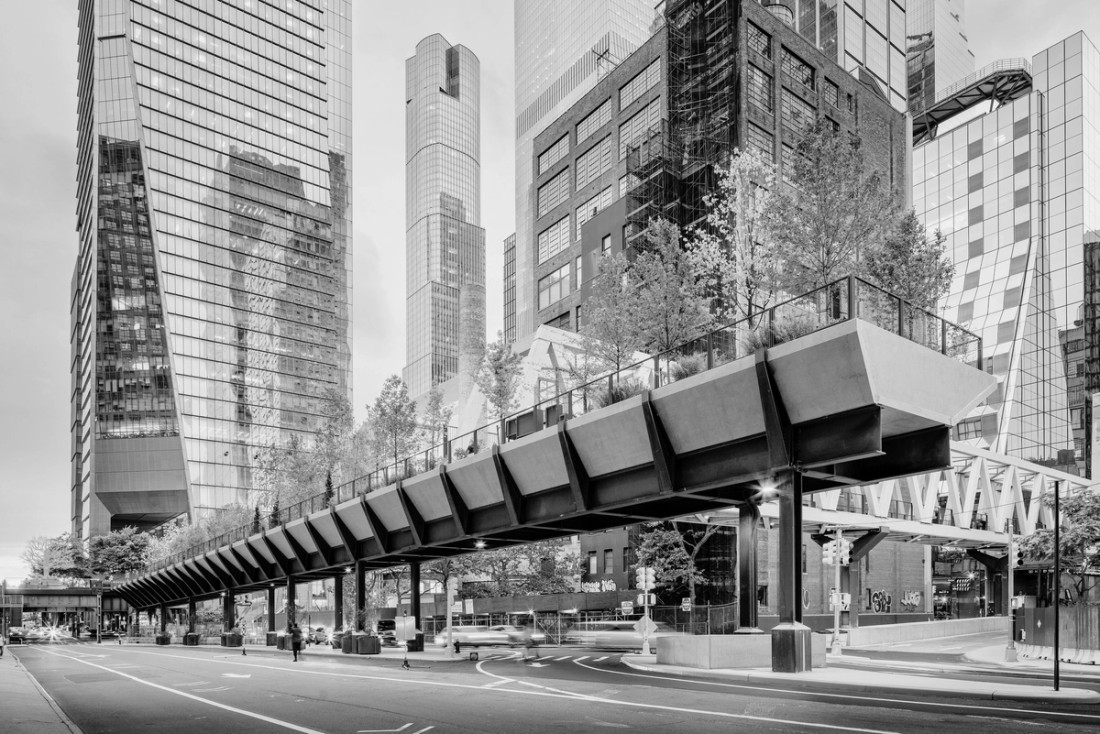
Former Richard Rockefeller Fellow reflects on how recent global exchanges in New York are informing his work in green development in China.
During my first week as a Richard Rockefeller Fellow, New York Climate Week was in full swing. Seeking a moment of calm amid the intensity of panels and discussions, I signed up for a Green Tour of the High Line. I imagined a pleasant walk through an iconic park. Instead, it became one of the most transformative hours of my Richard Rockefeller Fellowship.
As we stood on a repurposed railway overlooking Manhattan, our guide described how the High Line integrates ecological restoration, community participation, public art, street culture, and circular-economy thinking. It was not presented as a “sustainability project.” It was presented as a community — one that thrives because sustainability is woven into every layer of its design and daily life. I found myself thinking about Zizhu Hi-Tech Park in Shanghai, where more than 100,000 people live, study, research, and innovate. The High Line reminded me that a park — or a high-tech district — is not just a physical space. It is an ecology of aspirations. And sustainability, to be real, must speak to the entire community.
This thought shaped the rest of the fellowship.
For years, my work has lived at the intersection of philanthropy, green development, and ESG practice. Yet the fellowship offered something I rarely experience in my daily responsibilities: the space to step back and re-examine the very systems behind the work. Through exchanges with Columbia’s climate economists, urbanists, policy scholars, and practitioners from around the world, I began to trace the deeper architecture of sustainable transformation. One key lesson was the importance of dynamic systems thinking. Sustainability is not a checklist of projects — it is a living system of incentives, behaviors, and feedback loops. The question is not merely how to design a carbon roadmap, but how to ensure the system keeps improving once the roadmap is written.
The fellowship also clarified China’s distinct role in the global sustainability dialogue. Innovation districts like Zizhu Hi-Tech Park are microcosms of broader climate transitions — balancing technological growth, community resilience, and environmental responsibility. But these local experiments gain true value only when they become part of global knowledge exchange. Columbia reminded me that China’s stories — its challenges and its breakthroughs — can contribute to global insight, just as global expertise can sharpen our local strategies.
Returning to Zizhu Hi-Tech Park and the Zijiang Foundation, I have begun applying these lessons with renewed clarity. We are refining our carbon-neutrality roadmap using systems-based design, expanding community engagement as a core dimension of sustainability, and directing philanthropic capital toward innovation with measurable social impact. These efforts are more than projects — they are steps toward a new model of sustainable industrial urbanism.
In the end, the most lasting gift of the Richard Rockefeller Fellowship was not only knowledge, but perspective. It reminded me that sustainable development is a human story before it is a technical one — shaped by how communities feel, how institutions learn, and how leaders choose to act. My hope is to continue building platforms that connect global insight with local action, helping communities like Zizhu Hi-Tech Park become not only centers of innovation but living examples of what a sustainable future can look like.
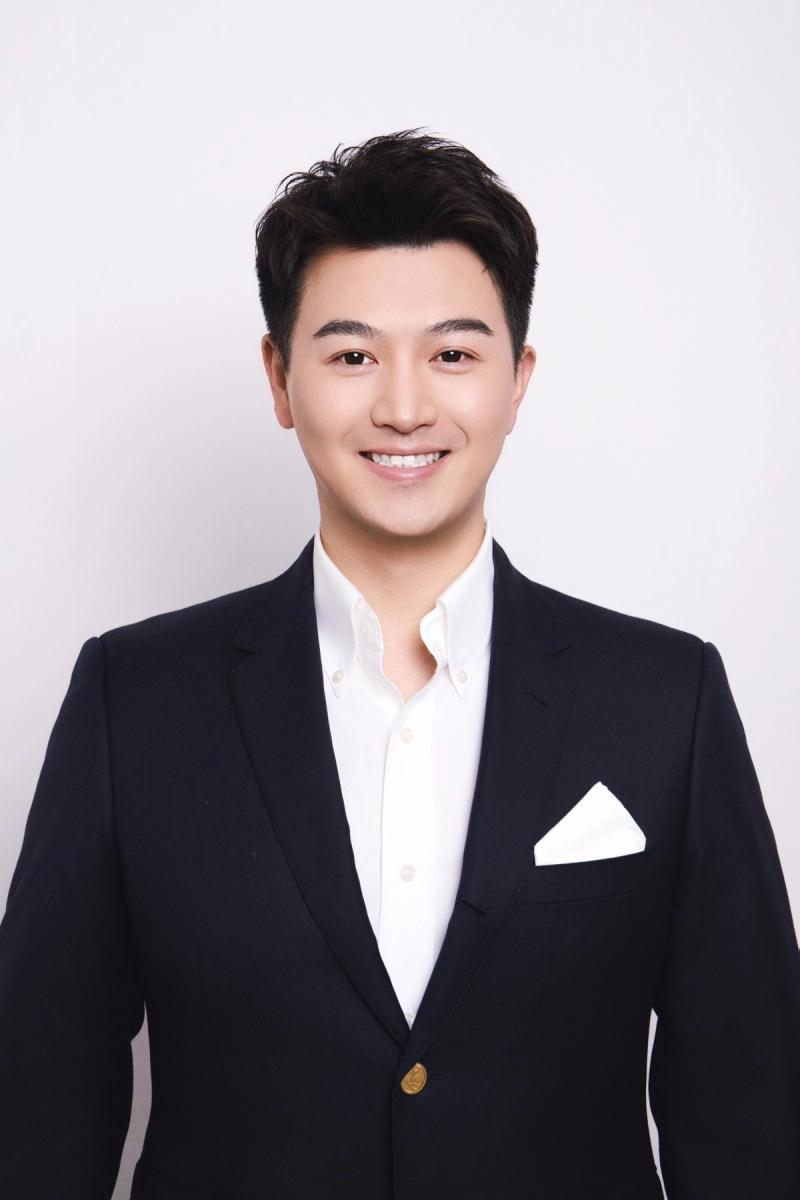
Kai Zhang is a 2025 Richard Rockefeller Fellow. Zhang specializes in sustainable development and ESG strategy. Currently, he leads green initiatives at Zizhu National High-Tech Zone, aiming to establish it as a "Global Model for Sustainable Development." He has provided sustainability consulting for Fortune 500 companies including Microsoft and Intel and co-authored the book Understanding ESG in One Hour. A 2019 Forbes China 30 Under 30 honoree, Kai is also a World Economic Forum Global Shaper and maintains partnerships with the UN and World Bank. Zhang holds an International EMBA from the SAIF-SNAI Program (Shanghai Advanced Institute of Finance and Shanghai National Accounting Institute) and a Bachelor’s degree in Civil Engineering from the University of Bristol, UK.
