You can't fight climate change alone. Three Chilean towns show working together can get it done.
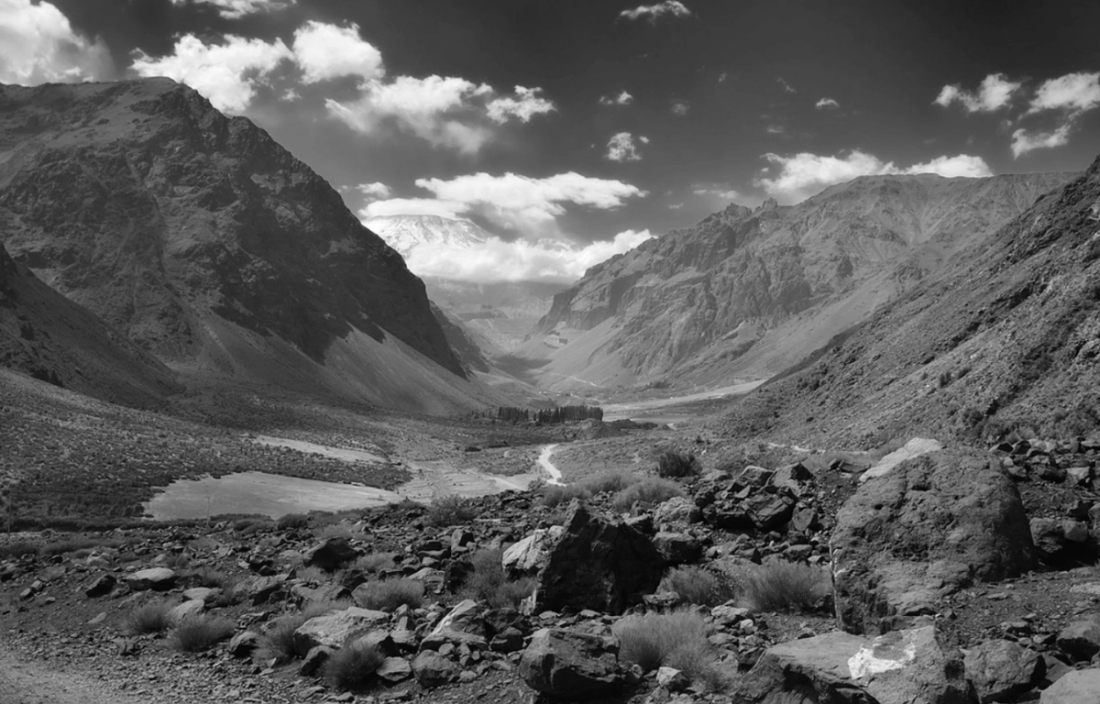
When the national Chilean government directed every municipality in the country to write a climate change action plan, small teams across the country faced the same problem: a mandate, but no means to carry it out. Here is how three communities and a team of Columbia and Chilean researchers worked side by side to get it done.
Lee este artículo en español
In 2022, Chile passed a landmark Climate Change Framework Law. The mandate was bold: all levels of its government, including all 345 municipalities in the country, were required to develop a Climate Change Action Plan (PACC) within four years, under threat of sanctions. When that deadline expired in June 2026, roughly two in three municipalities still had no approved plan. The Environment Ministry, with United Nations Development Programme (UNDP) and the Chilean Association of Municipalities, had published a step-by-step guide to writing a climate action plan in 2023. But a document cannot run a workshop, analyze climate data, or free up an official's time. What was missing was capacity: funding, staff, and hands-on support.
It's a gap that extends far beyond Chile. International climate financing tends to flow to major cities and national governments. Yet, far more people live in small and medium-sized towns and rural communities, the places that feel climate consequences first, but appear on global agendas last.
Researchers at Columbia University's National Center for Disaster Preparedness (NCDP) and Graduate School of Architecture, Planning, and Preservation (GSAPP) set out to help close that gap.
With funding from Columbia Global’s Columbia World Projects, Columbia researchers teamed up with two Chilean institutions deeply rooted in the country's climate resiliency and disaster prevention work: the University of Chile’s Center for Climate and Resilience Research (CR2) and the Institute for Disaster Resilience (Itrend).
Columbia Global Center Santiago anchored the effort on the ground in Chile, supporting the collaboration and bridging the work back to Columbia University. Over two years, the “Strengthening Capacities and Civic Participation for Climate-Resilient Communities in Chile” project helped three very different communities build plans that were required, but that also will help shape their futures.
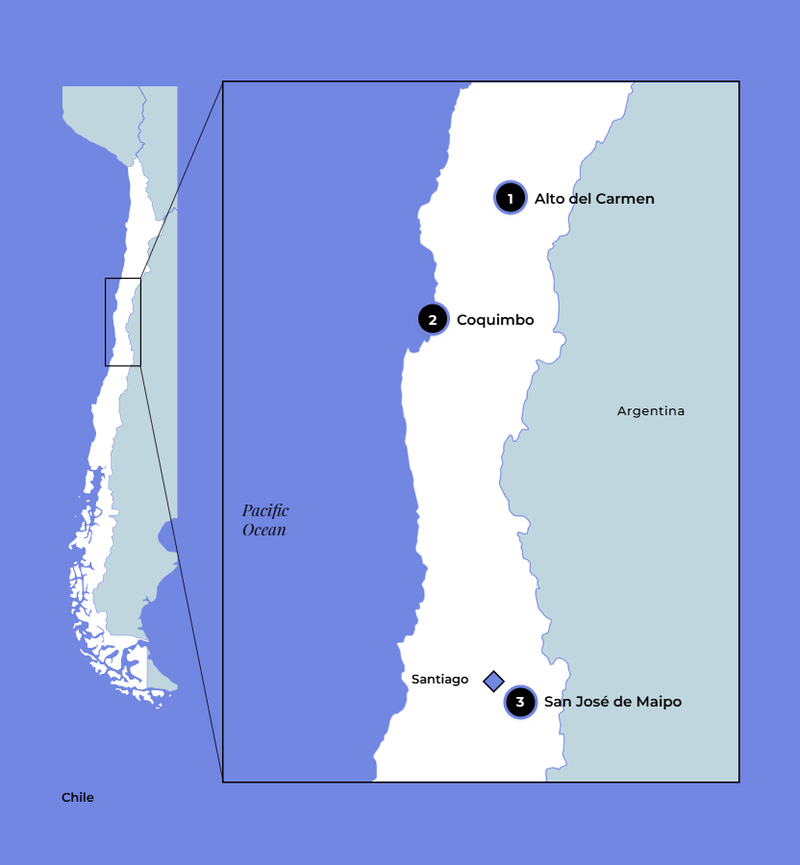
Different geography. Different risks. The same mandate, met three different ways, each beginning with one question: "What do you need?”
Antonia Samur, who led the project's implementation for NCDP, knew exactly why that question mattered. "Too many municipalities lack the resources needed to conduct participatory planning processes, analyze climate data, carry out risk assessments, and develop action plans that actually address the climate impacts in their territories."
For Jeff Schlegelmilch, the director of the National Center for Disaster Preparedness, the stakes were straightforward. "We can't expect audacious climate goals without the support to actually implement them. And it is well established that preparedness is far cheaper than response and recovery."
Two years later, the results are concrete: three formally approved municipal climate action plans, when only about two in three Chilean municipalities has one; two municipal leaders bringing their communities' work to the world stage at COP30 in Belém, Brazil; and eight planning and participation guides, co-designed with the municipalities and now free for any local government in Chile or Latin America facing the same mandate. Guides that include ready-to-apply tools and actionable steps aimed at helping both local decision-making and planning.
But the numbers only tell part of the story. The people on both sides of the partnership tell the rest.
The view from the university
The Columbia team arrived in Chile with a question, not a solution.
“We didn't arrive telling teams what we were going to do. We asked them what they needed," Samur says.
For Schlegelmilch, he sees that flexibility as the point. Projects like this, he says, can "illuminate the processes for achieving broader climate goals, but with the space for communities to tailor them to meet their needs."
The work led by the Columbia University team was deliberately different from traditional technical assistance, starting with the decision not to arrive with plans.
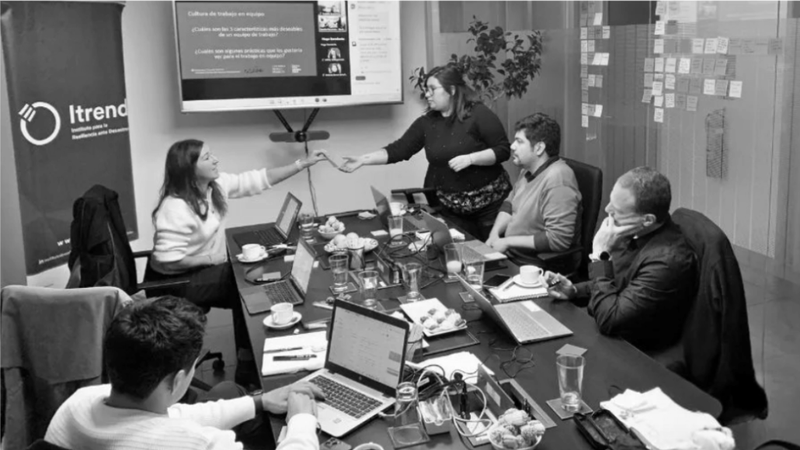
"We didn't write their plans for them. That was an important condition," Samur says. "We met each team where they were at: bi-weekly check-ins, helping them navigate roadblocks, preparing presentations for their municipal councils, building frameworks for cross-departmental collaboration. We built trust by showing up, consistently, for two years."
This approach also emphasized the expertise already in these communities as foundational to plans that reflected real risks, real constraints, and real lives.
"Communities are already doing tremendous work to adapt to climate change," Samur says. "Municipalities don't always need to reinvent the wheel. They need to support and scale what communities are already doing."
For Schlegelmilch, partnership is what makes research work in the world. "Research offers a pure and objective view of what works and what doesn't. But local stakeholders are the ones who build the instruction manual — how to actually reconcile policy and research with what works in their communities. We all own a piece of the puzzle, but it only works when we bring all the pieces together."
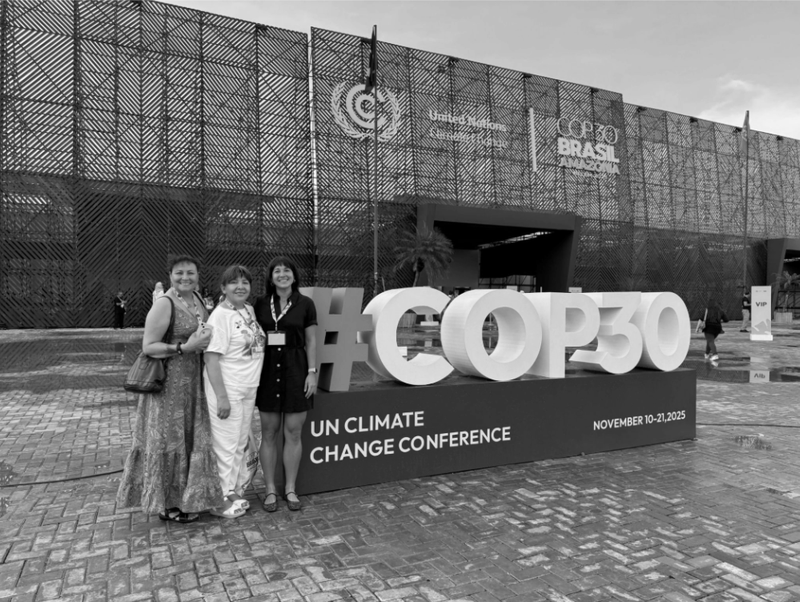
That conviction crystallized in Belém, when two of the three municipal representatives stood before international delegations to present their communities' plans themselves at COP30.
"Many people come to meetings like COP to speak on behalf of those they work with," Schlegelmilch reflects. "But here, the communities had their own voices to tell their own story. They bring the expertise of making it work in their communities, and we all have a lot more to learn from their hard-earned wisdom."
By the project's end, a final evaluation showed it had met its goal of expanding the capacity of these communities and their leadership. Municipal staff reported that their technical planning skills grew more than any other skill category, and the growth was greatest among those who worked most intensively with the project team. The project's final summary report (read the report in Spanish) details those findings, along with insights from all three municipalities.
But the project team wanted the lessons to travel beyond the three towns. The project's eight guides were designed to complement the ministry's official guidance, picking up where it ends with the facilitation scripts, editable templates, and step-by-step actions a small team needs to run the process effectively. The guides are also meant to provide a resource to local governments across Latin America, and beyond, working under similar constraints. Already, the project team has seen significant interest with their launch webinar convening leaders from 50 municipalities across 15 countries.
"They fill a gap where some government guides would tell you what to do in very general terms, but not how," Samur says. "Our guides are radically practical, by design."
Because the work, Schlegelmilch and Samur insist, is far from finished.
"Local governments, in cities and rural areas alike, bear enormous responsibility for implementing the actions that will allow modern societies to reduce climate risks," Samur says. "And they need far more support, especially in developing countries."
The view from the mountain, desert, and coastline
San José de Maipo: The mountains
On the other side of the partnership are three very different municipalities. The project team came to each with the same question: What do you need? The answers, and the people who gave them, shaped everything that followed.
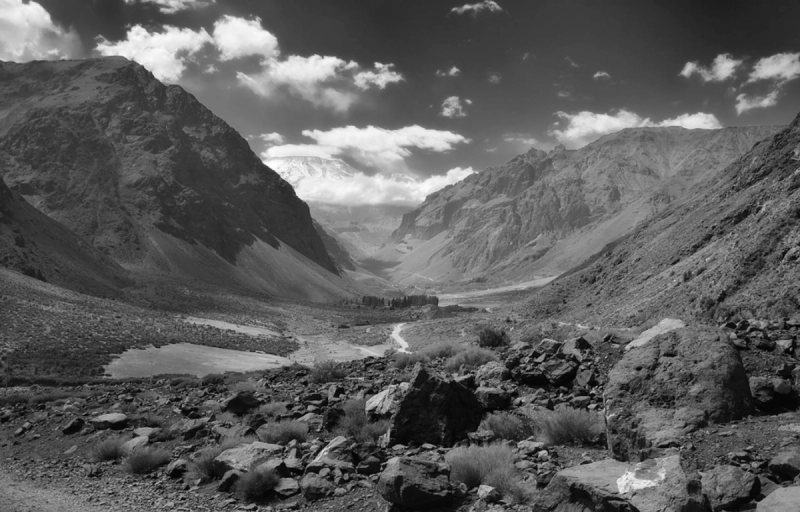
An hour from Santiago, San José de Maipo sits in the Andes mountains, vulnerable to the global climate crisis. Its glaciers are retreating. Its rivers run lower each season. Landslides and floods threaten the roads that connect its mountain communities. And its territory sits at the heart of the river basin that supplies drinking water to seven million people in greater Santiago — a responsibility the municipality carries with little financial support to match.
Karina Cabello Escobar has spent 12 years navigating that gap as Head of the Environment Unit in San José de Maipo, and it has taught her what a small municipality can and can't count on.
"Resilience is not solely bought with a budget," Cabello says. "It is built with governance and social capital."
For Cabello, the project's greatest contribution wasn't a set of outside recommendations. It gave her team the tools to build their own capacity to confront climate change at home.
"Rather than receiving an external study, this partnership brought knowledge transfer," she says. "We were able to learn cutting-edge methodologies, leaving an installed capacity in the municipality that will last well beyond the end of the project."
In practice, that meant two years of weekly check-ins, co-facilitated community workshops, help preparing presentations for the municipal council, and frameworks for getting departments that had never collaborated to work together — along with monitoring systems designed to outlast any single administration. The finished plan calls for implementing climate adaptation strategies, responsibly managing the municipality's watersheds, and protecting its biodiversity.
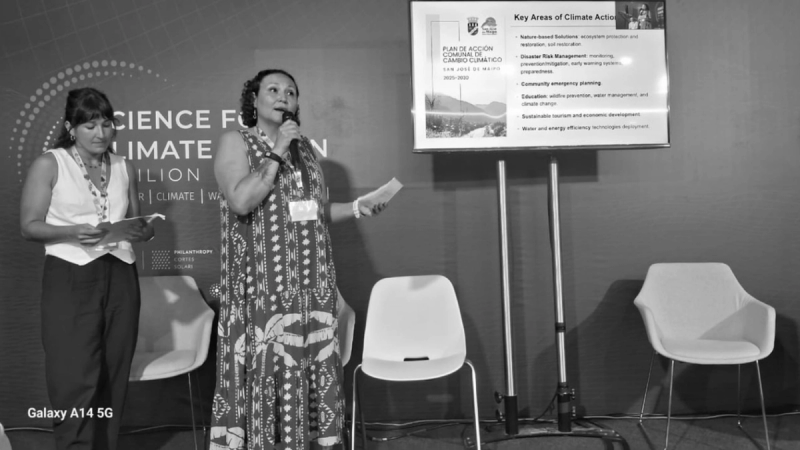
In November 2025, Cabello brought her work and the need for local engagement and funding support to one of the largest stages in the world. Standing before international delegations at COP30, she presented her community's completed Climate Action Plan and made a case drawn from hard experience.
"Local governments are not mere executors," she reflects. "They are the true architects of climate resilience."
Alto del Carmen: The desert
Hundreds of miles north in Alto del Carmen, the project team asked another team of municipal leaders what they needed to create their climate action plan and protect their community’s future.
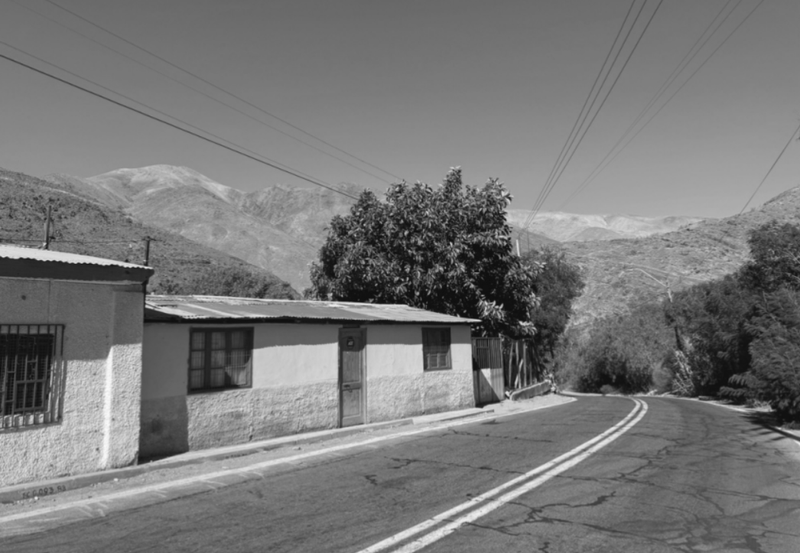
Deep in the arid Atacama, the municipality is at risk from landslides, floods, heat waves, heavy rains, wildfires, and droughts, and is among Chile's most aged municipalities — the oldest in the Atacama Region, according to the 2024 census.
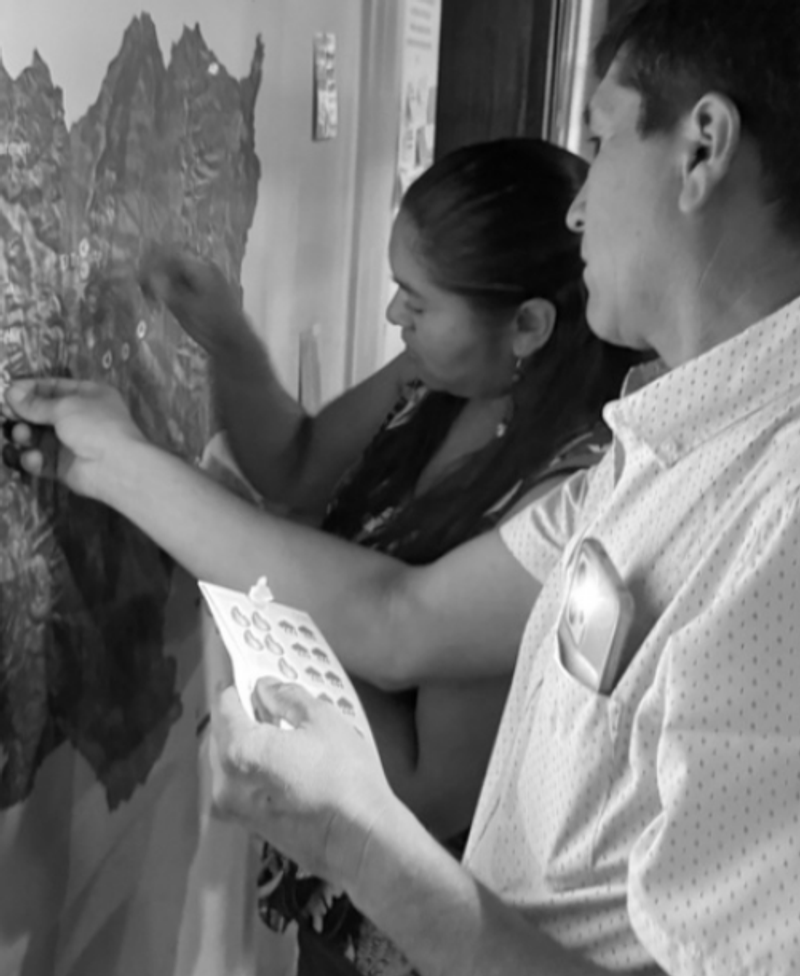
Over the same two years, the local government worked through the process of community workshops, risk assessments, and council presentations, with the university teams alongside them at each step.
“This task cannot be done alone,” says Sandra Anacona, Director of Environment, Sanitation, and Embellishment in Alto del Carmen and a 32-year veteran of municipal government. For Anacona, the success of their finished climate action plan is a product of collaboration. "Through this fusion of the local knowledge and the support of local authorities and the participation of academic institutions, it is possible to strengthen communities and have a greater capacity to respond as a local government," she says.
Coquimbo: The coast
In Coquimbo, a port city, the same collaborative process began, but with a different set of challenges and threats. Warming seas are reshaping the fishing and tourism industries that anchor the local economy, but the threat of increasing water scarcity is severe. Already one of the most drought-prone regions in the world, the area is now at the heart of a megadrought that scientists rank among the longest ever recorded.
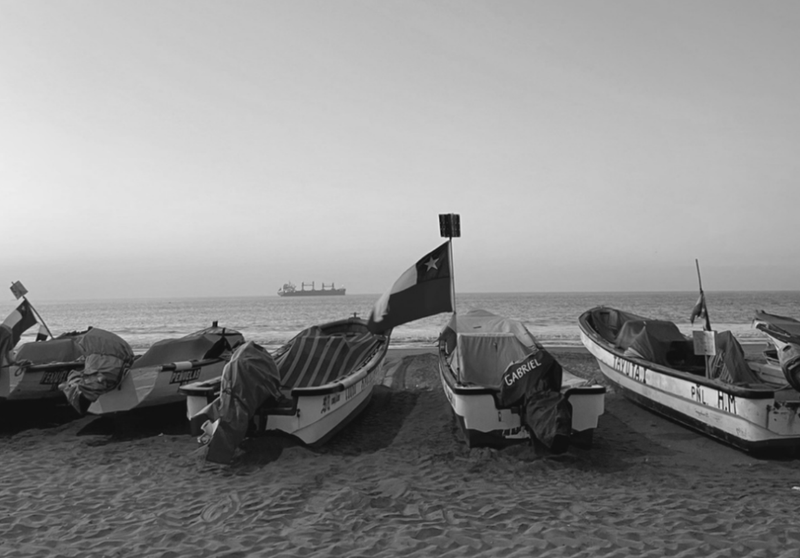
The same two-year planning process produced a tailored climate action plan to help the community respond to these challenges through efforts like promoting efficient water management, conservation of coastal and marine ecosystems, and balancing urban growth with the protection of the natural environment.
When Coquimbo's council approved the plan in mid-2026, the mayor's opening words credited 'the technical teams of the Municipality of Coquimbo itself,' and the municipality invited the project's lead to write the plan's foreword.
“The experience of working with the teams from Universidad de Chile, ITREND, and Columbia University has been profoundly enriching, both technically and in a human sense,” said Carolin Mondaca, a support professional in the Biodiversity area, Department of Environmental Management and Zoonosis, and leader for PACC development in Coquimbo. “Beyond methodological support, there has been close accompaniment, characterized by the willingness to listen, understand, and adapt to the reality of the municipality and the professional team in charge of the process.”
The view ahead
Across all three municipalities, the planning process treated local knowledge as an integral part of the science. The local teams ran workshops with children, women, and older adults, fielded climate perception surveys, and treated the experience residents carried — of floods, of heat, of seasons shifting — as data in its own right.
"Local knowledge is as rigorous as scientific knowledge when it comes to protecting the home," says Cabello, the environment head in San José de Maipo.
In the months since Belém, Cabello has turned to what comes next: integrating climate education into local schools, forming a Municipal Climate Action Committee to carry the work across political cycles, and continuing to press for the direct climate financing her community still lacks.
But what she has learned applies well beyond her own municipality. Cabello sees her municipality's situation as anything but isolated. "The challenges of our mountain resonate in the Andes, the Alps and the Himalayas," she says. Her advice to peers across Latin America is simpler still: 'Don't wait until you have the ideal budget to start. Resilience is a political and community decision rather than a financial one.'
Having seen what the partnership brought to her own community, Cabello wants the same for others. “My dream is for every rural municipality in Chile to have a fairy godmother university,” she says. But the exchange goes both ways. Cabello sees municipalities like hers as a living laboratory for nature-based solutions, a site for students to learn about local climate issues first-hand, and a partner with real projects to implement.
The “Strengthening Capacities and Civic Participation for Climate-Resilient Communities in Chile” project was developed by Columbia's National Center for Disaster Preparedness, supported by Columbia World Projects with support from Columbia Global Center Santiago, GSAPP, and in partnership with CR2 and ITREND.
Project Resources
Summary project report: Read the project summary, from the first workshops to three approved climate plans. English · Spanish
Methodology guides: Explore ready-to-use tools for any municipality building its own climate action plan. English · Spanish
