Transforming Wastewater Infrastructure in the United States
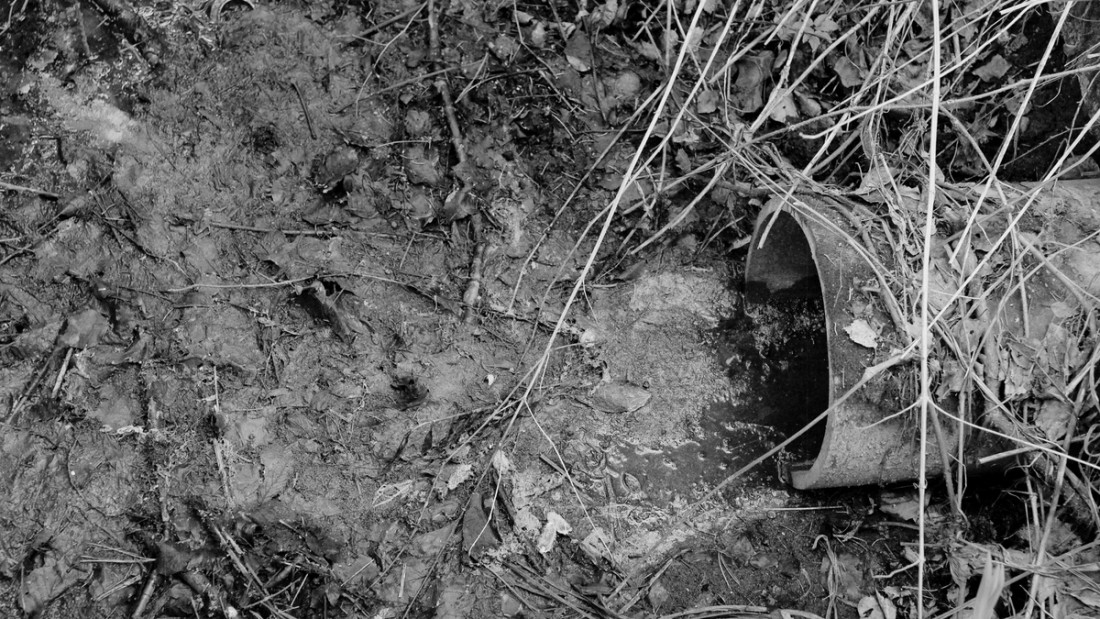
In many rural areas across the United States, failing or nonexistent wastewater systems pose a direct threat to public health and environmental safety.
An estimated 80 million U.S. residents lack access to sanitary sewers, representing a complex, urgent challenge that traditional approaches have failed to solve.
Faculty, researchers and students from Columbia University, the University of Arizona, University of Alabama, University of South Alabama, and the University of North Carolina that are leading this project — with support from Columbia World Projects — is thinking beyond the usual playbook. They are bringing together researchers across disciplines — from engineering and environmental sciences to public health — with local changemakers to co-create sustainable wastewater management models built to last.
Reshaping What’s Possible Through Collaboration
Meaningful change starts when we close the gap between academic research and real-world action. This project is piloting a new approach to wastewater treatment in Alabama’s Black Belt, where 90% of septic systems are functioning poorly or failing due to unsuitable soil conditions. By leveraging the latest research, global insights, and local expertise, the project aims to reshape the landscape of rural sanitation through:
- Tested technology integration: We are moving past traditional, high-cost sewage models to implement decentralized, clustered treatment systems. These innovative technologies are specifically selected and tested to thrive in challenging soil conditions where standard septic systems are likely to fail.
- Sustainable management models: Grounded in our belief that innovation includes the "how" as much as the "what,” we are working with partners to develop operational and financial frameworks that empower rural, disadvantaged communities to successfully manage and maintain their own wastewater infrastructure.
- Informing policy: By documenting and disseminating the impacts of these pilot systems, we are providing the evidence needed to inform policy and future infrastructure investments to address the wastewater crisis in rural communities.
Project Leads
Upmanu Lall
Columbia University
Upmanu Lall is the director of the Columbia Water Center and the Alan and Carol Silberstein Professor of Engineering, and the chair of the Department of Earth and Environmental Engineering at Columbia University. He has broad interests in hydrology, climate dynamics, water resource systems analysis, risk management and sustainability.
Maura Allaire
Arizona State University
Maura Allaire is an Assistant Professor at Arizona State University. With expertise in water resource economics, her research focuses on the development of improved strategies for ensuring safe drinking water for all, assessing trends and disparities in nationwide water quality, and decision support for water resource management.
Joe Brown
University of North Carolina
Joe Brown is an associate professor of Environmental Sciences and Engineering who focuses on detection methods for pathogens and pathogen indicators in the environment, water and sanitation treatment technology characterization and innovation, and human health effects of exposure to enteric pathogens. He is affiliated with UNC’s Water Institute.
Mark Elliott
University of Alabama
Mark Elliott is an associate professor in the Department of Civil, Construction and Environmental Engineering focused on understanding the challenges and opportunities of water and sanitation engineering in resource-poor settings. His major current area of research focus is characterizing and addressing wastewater management challenges in the Black Belt counties of Alabama.
Kevin White
University of South Alabama
Dr. White is Professor and Chair of the Department of Civil, Coastal and Environmental Engineering with many years of experience studying onsite and small-community wastewater management/technology in Alabama’s rural Black Belt counties. His research focuses include decentralized wastewater management models, treatment technologies, and localized reuse of treated wastewater.
