A Circular Economy Approach to Reviving Bengaluru’s Water Systems
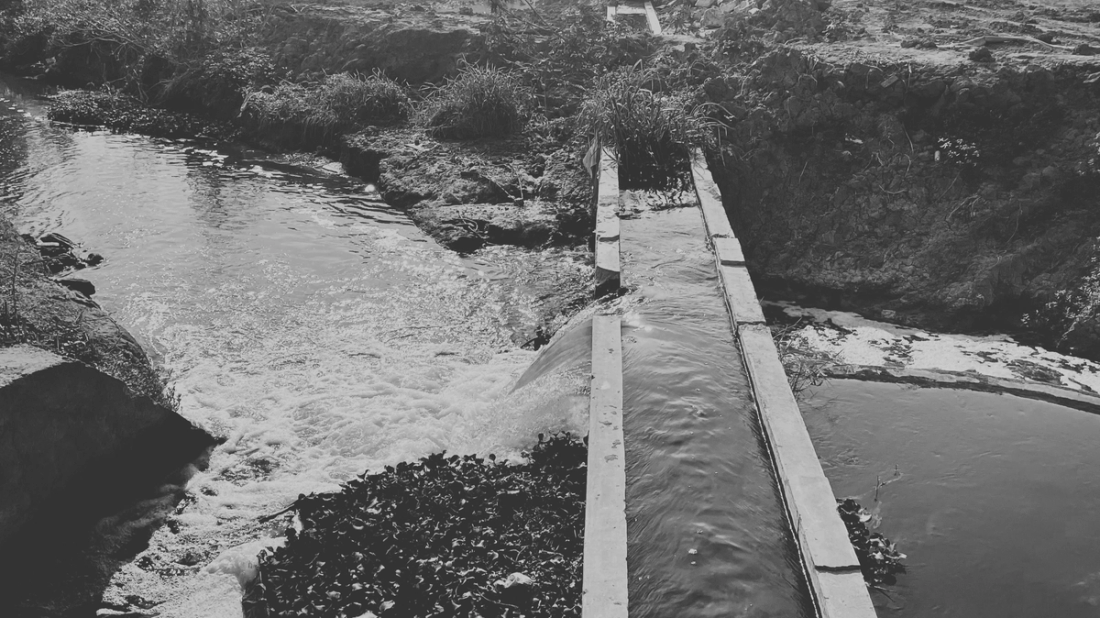
As rapid urbanization and climate change destabilize traditional water sources, cities such as Bengaluru, India, face a dual crisis of groundwater depletion and recurring floods.
Columbia Global Center Mumbai and Columbia World Projects support research to address the breakdown of human made "chains of lakes" — designed to catch and store monsoon water — and the contamination of deep aquifers that currently threaten public health and local ecosystems in Bengaluru.
A Circular Solution to Water Management
The city of Bengaluru sits on a plateau far from natural river systems, relying on water channels that are often broken or contaminated with industrial effluents and sewage. This systemic failure has led to water scarcity, even while the city faces increased flood risks due to the loss of natural catchment areas.
To address these intersections of climate vulnerability, a multidisciplinary team of researchers is developing a strategic framework for a “circular water economy,” which would emphasize sustainability and re-use:
- Watershed Restoration: Applying a holistic urban design approach to reactivate the historical lake chains, restoring their capacity to recharge aquifers and mitigate urban flooding.
- Wastewater Integration: Integrating modern recycling technologies to ensure treated water is safely reintroduced into the urban system rather than mixing with contaminated drainage.
- Contaminant Mapping: Researching the presence of toxic metals and excess nutrients to understand their impacts on human and non-human health in peri-urban areas.
- Community-Led Education: Building local climate literacy to empower residents to advocate for sustainable water use and policy reform.
Scalability and Impact
This project aims to create a climate-resilient paradigm for water management. The research underpinning the effort focuses on providing a scalable model that can be adapted by other water-stressed cities globally, transforming wastewater from a liability into a resource.
Project Leads
Kathrin Schilling
Assistant Professor, Mailman School of Public Health, Columbia University
Kathrin Schilling is an Assistant Professor of Environmental Health Sciences at Columbia University’s Mailman School of Public Health and an Associate Member of the Herbert Irving Comprehensive Cancer Center. Her research sits at the intersection of environmental science, analytical chemistry, and public health, with a particular focus on how exposure to metals and trace elements affects human health, and on supporting evidence-based efforts to reduce exposure risks in daily life.
Anirban Basu
Research Scientist, Mailman School of Public Health, Columbia University
Anirban Basu is an environmental isotope geochemist specializing in groundwater chemistry, metal contamination, and their impacts on human health. He is currently a Research Scientist in the Department of Environmental Health Sciences at Columbia University’s Mailman School of Public Health.
Sonal Beri
Adjunct Associate Professor, GSAPP, Columbia University
Sonal Beri is an Adjunct Associate Professor at Columbia GSAPP. Educated both in India and the USA, as an architect and urban designer, she has 25 years of professional experience in a wide range of building types and scales from urban design, super tall towers, iconic institutional and educational buildings, top tier hospitals in the US, private residences to exhibition design.
Sandro Marpillero
Adjunct Associate Professor, GSAPP, Columbia University
Sandro Marpillero is a co-founding principal of Marpillero Pollak Architects (MPA) and Adjunct Associate Professor at Columbia GSAPP. He has also taught design studios and seminars in the University of Venice (IUAV) and at Harvard GSD, Yale, Princeton, the University of Virginia and the New School Parsons, among others.
Radhika Iyengar
Director of Education, Climate School, Columbia University
Radhika Iyengar is a research scholar and the Director of Education at the Center for Sustainable Development, Climate School, Columbia University. She leads the Education for Sustainable Development initiatives and international education development as a practitioner, researcher, teacher and manager.
