Columbia Graduate Student Travel Awards for Field Station Research in Chile
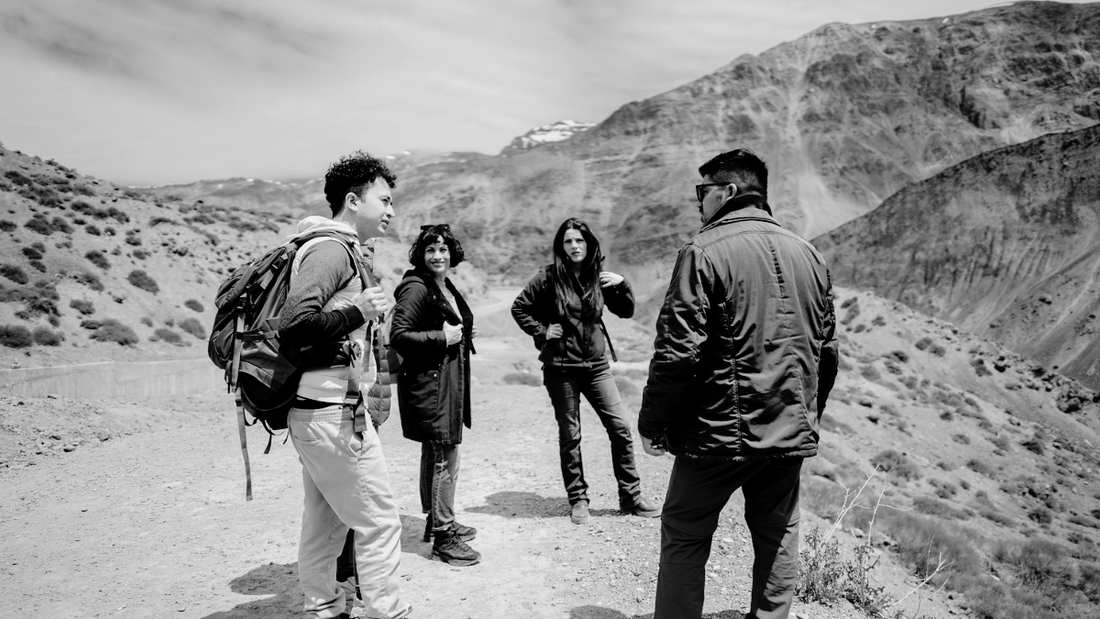
The global climate crisis and the degradation of ecosystems are challenges that demand rigorous, on-the-ground observation.
To bridge the gap between theory and actionable environmental science, Columbia Global Center Santiago, in partnership with the Pontificia Universidad Católica de Chile, provides Columbia graduate students with grants to access a network of uniquely situated field stations across Chile.
These travel awards allow researchers to step out of the classroom and into natural laboratories where they can contribute to real-world conservation and development strategies.
The Award Opportunity
Columbia Global Center Santiago offers two travel awards for master’s and Ph.D. students enrolled at any Columbia University school or affiliate. These awards are designed to support transformative student learning and field research by covering the costs of international airfare, station fees, and living expenses for a period of two to three months.
Research Sites and Specializations
Students apply to conduct original research at one of three specialized facilities operated by the Pontificia Universidad Católica de Chile.
- Coastal Marine Research Station (ECIM) – Las Cruces Located on the central Chilean coast, this station provides access to a Marine Protected Coastal Area. Research here focuses on marine ecology, sustainable management, and conservation. Apprentices lead structured projects on topics such as reproductive ecology, physical oceanology, and ecosystem services. Note: A three-month commitment is required for this station.
- Local Development, Education, and Interculturality Center (CEDEL) – Villarrica Based in southern Chile, CEDEL facilitates interdisciplinary work on temperate forests, inclusive economic development, and sustainable territorial planning. Research tracks include social-ecological systems and education for sustainability. Note: A B2 level of Spanish proficiency is highly recommended for this site.
- Cape Horn International Center (CHIC) – Puerto Williams Situated in the extreme south within the Cape Horn Biosphere Reserve, CHIC serves as a subantarctic "natural laboratory." Researchers utilize a biocultural approach to study climate change, invasive species, and environmental ethics in a pristine environment.
Logistics and Support
Selected students receive logistical support from the staff at the Santiago Global Center and work alongside researchers at the Pontificia Universidad Católica de Chile for day-to-day consultations.
- Accommodations: Housing is provided in multiple-occupancy dormitories at the Las Cruces and Puerto Williams stations. For the Villarrica site, partner staff assist students in identifying appropriate local housing.
- Travel and Visas: The award covers international travel arranged by the Santiago Center. While U.S. citizens do not require a visa for this duration, international students will receive support and reimbursement for the visa application process.
Application Requirements
The selection process prioritizes candidates whose research goals align with the unique capabilities of the Chilean field stations. Applications include:
- Statement of Interest: A 750-word narrative outlining current studies, the proposed research project, and specific researchers at the station with whom the student intends to collaborate.
- Preliminary Work Plan: A summary of milestones and objectives for the duration of the stay.
- Supporting Documents: One letter of recommendation from a Columbia University faculty member, an official transcript, and a current CV.
