The Hard Lesson From Belém: Global Climate Diplomacy Strained, but Not Broken
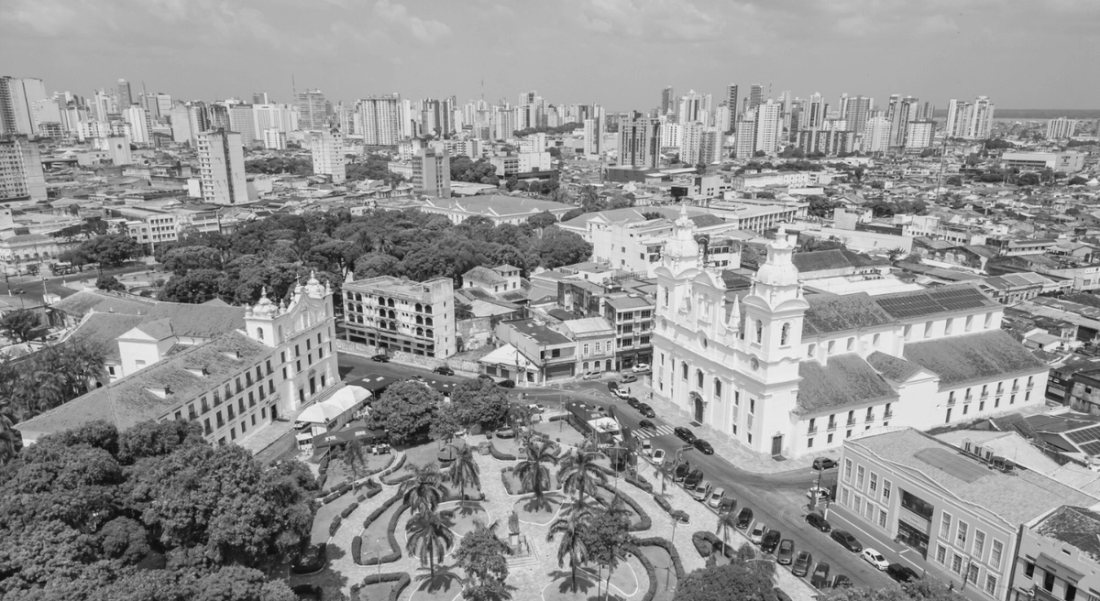
After COP30 in Belém exposed deep fractures in global climate diplomacy, new coalitions and adaptive leadership may be key to restoring momentum.
By any rational measure, the world should be racing toward collaborative climate action. Instead, the latest global negotiations at COP30 in Belém revealed something more unsettling: a diplomatic framework still capable of some progress, yet crippled by geopolitical division and fossil-fuel interests.
Three decades after the landmark Rio-92 Earth Summit first set this process in motion, the promise of multilateral cooperation is colliding with today’s political realities. The current United States government is openly hostile to climate policy. The European Union is beset by concerns of war and rising nationalism. Oil-producing states — flush with profits and diplomatic leverage — work mightily to block any direct acknowledgment that coal, oil, and gas are the crisis’s chief drivers.
Let’s be clear: the final declaration in Belém failed to mention fossil fuels at all. Some negotiators even cast doubt on the scientific authority of the Intergovernmental Panel on Climate Change (IPCC) — an echo of the tobacco industry’s denialism. All this as we break record temperatures each year while at the same time global funding to facilitate mitigation and adaptation efforts in the developing countries falls short of projections.
Yet our post-COP30 takeaway must not be one of despair. Brazil emerged as a climate bridge-builder, wielding both moral authority and diplomatic dexterity. Brazilian President Luiz Inácio Lula da Silva’s own late-hour push prevented the negotiations from derailing entirely. And because Brazil holds the presidency through next year’s COP in Antalya, Turkey, its efforts will continue to shape global ambition.
Still, we should recognize that Belém was not the “COP of Implementation”, as hoped with actual commitment to action. Yes, 118 countries updated their national climate commitments. Yes, more than 90 endorsed a roadmap to eliminate deforestation. But the gap between national pledges to reduce greenhouse gas emissions and actual emissions reductions needed to keep warming at or below 1.5°C remains staggering.
One bright spot in Belém was the strengthened voice of Indigenous peoples. A record 3,000 leaders participated. Their land rights were reaffirmed, including under an international land-tenure commitment. Billions in funds were unlocked for Brazil´s Tropical Forests Forever Fund and also for forest stewardship — notably a nearly $2 billion pledge to support Indigenous and local communities Yet even here negotiators failed to finalize a global plan to halt deforestation. Progress, again, tempered by government hesitation and corporate interests.

This recurring pattern exposes a structural truth: COP´s consensus-based negotiations among nearly 200 nations are now regularly constrained by the least ambitious actors. One or two governments — or 1,600 fossil-fuel and other lobbyists crowding the halls — can block progress for the entire planet.
That is why a new form of climate cooperation is emerging: so-called coalitions of the “climate willing” advancing ambition where the COP cannot. Brazil is already driving some of this action — by pursuing a separate track for fossil-fuel phaseout and pushing forward climate-aligned trade initiatives to reduce carbon-based protectionism. Such parallel efforts do not replace multilateralism — but they may rescue it.
The lesson from Belem is not that global climate diplomacy is broken. It is that the machinery that has served the world well since 1992 must evolve. We need a dual-track system: universal ambition paired with agile alliances, possibly regional ones, capable of responding at the speed of the crisis. Some solutions surfaced during our recent webinar series, the Road to COP30, during which each Columbia Global Center contributed thought-provoking local and regional perspectives on the climate crisis.
Multilateralism is strained. But it is not finished. With leadership, pressure, and perseverance, it can still deliver a livable future — one that no country alone can secure, and none of us can afford to lose.
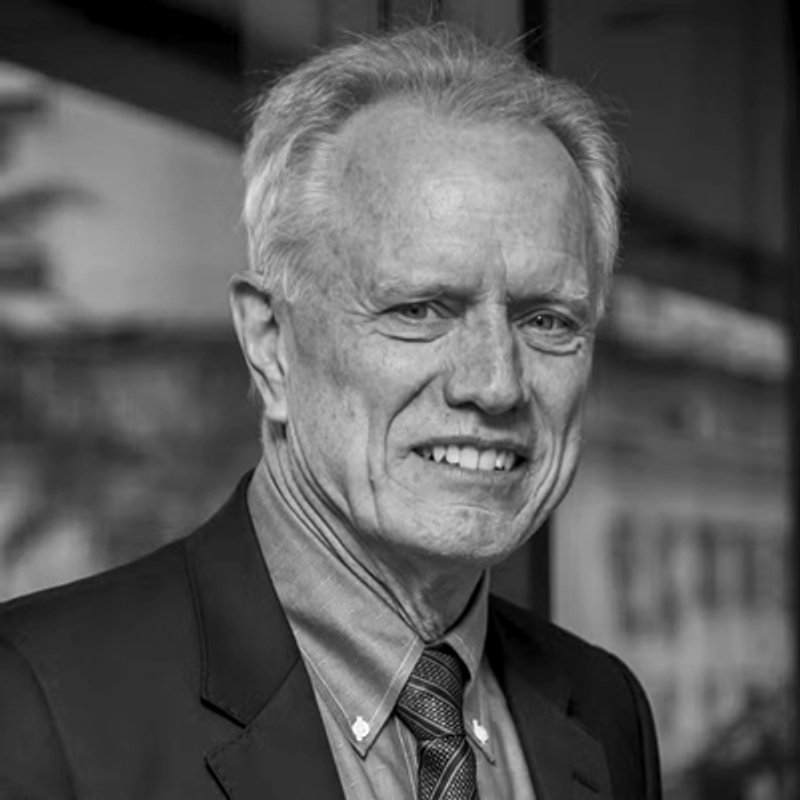
Thomas Trebat is the founding director of the Rio Global Center. Under his leadership, Trebat forged lasting partnerships with leaders across academia, government, corporate sector, and civil society in Brazil, expanded connections with Schools and faculty at Columbia and established and led the Rio Climate Hub, a novel initiative that brought together research, democratic dialogue, and leadership development on climate action in partnership with the municipality of Rio de Janeiro.
